Maleic Anhydride (MA) is an organic compound produced through the catalytic oxidation of n-Butane. Due to its highly reactive anhydride group and carbon-carbon double bond, it is one of the most important chemical intermediates used in modern manufacturing.
Its exceptional versatility allows it to react with alcohols, amines, glycols, unsaturated compounds and natural resins — making it indispensable in the production of polyester resins, lubricant additives, polymer modifiers and specialty chemicals.
Today, Maleic Anhydride serves as a fundamental building block across construction, automotive, paints, adhesives, marine and renewable energy industries.
| Property | Benefit to Manufacturers |
|---|---|
| Highly Reactive Molecule | Suitable for diverse chemical synthesis |
| Excellent Polymer Compatibility | Improves resin mechanical performance |
| High Purity (≥ 99.5%) | Ensures consistent product quality |
| Versatile Intermediate | Used across multiple downstream products |
| Strong Chemical Reactivity | Enables efficient polymer modification |
| Industrially Proven | Global acceptance across major manufacturing sectors |
Maleic Anhydride is a cyclic unsaturated anhydride with molecular formula CℤHℚO℣. It contains a highly reactive anhydride functional group and a carbon-carbon double bond. The anhydride group readily reacts with:
The double bond enables copolymerisation and grafting reactions. These dual reactive sites explain its widespread use in Unsaturated Polyester Resins (UPR), Alkyd Resins, Lubricant Additives, Paper Chemicals, Polymer Modifiers, Surface Coatings and Agricultural Chemicals.
Modern Maleic Anhydride is produced by oxidising n-Butane over vanadium-phosphorus oxide (VPO) catalysts at elevated temperatures. The resulting vapor undergoes condensation, purification and flaking or briquetting.
n-Butane Feedstock
Catalytic Oxidation
MA Vapor
Condensation
Purification
Briquetting & Packaging
Finished product is supplied as high-purity white briquettes or flakes in 25 Kg bags.
Primary raw material for UPR resins used in:
Enhances durability and waterproofing performance in:
Grafts functional groups onto polymers to improve:
Used in manufacturing dispersants and detergent additives that improve engine cleanliness.
Supports industrial coatings, powder coatings, and protective paints.
Used in specialty formulations to improve functional sizing and textile processing properties.
As industries demand lighter, stronger and more corrosion-resistant materials, the use of Unsaturated Polyester Resins continues to expand.
From wind energy and infrastructure to automotive and marine applications, Maleic Anhydride remains a critical raw material enabling the manufacture of advanced composite materials that combine strength with durability.
This makes Maleic Anhydride a key contributor to modern sustainable infrastructure and lightweight engineering.
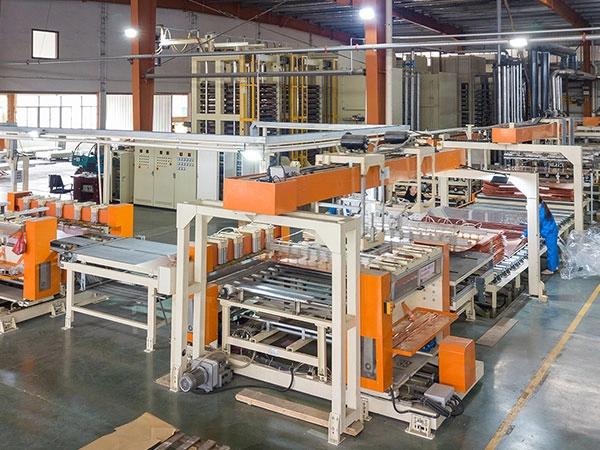
Automated FRP pultrusion and panel manufacturing lines using Maleic Anhydride-based UPR resins.
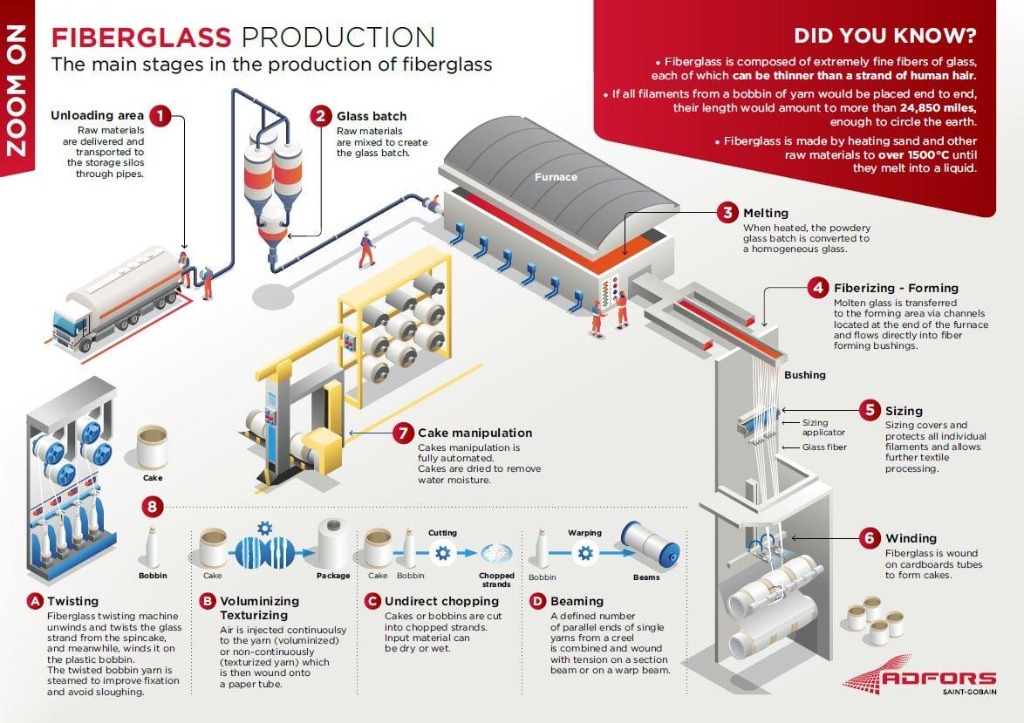
Multi-stage glass fiber filament sizing and texturizing technology for structural composite reinforcement.

Structural composite root aero-sections for high-load wind turbine blades in renewable installations.
| Parameter | Typical Specification |
|---|---|
| Appearance | White Briquettes / Flakes |
| Purity | ≥ 99.5% |
| Maleic Anhydride Content | High Purity |
| Colour | White |
| Packing | 25 Kg Bags |
| Shelf Life | 6 Months (Recommended Storage) |
Detailed Technical Data Sheets (TDS) are available upon request.
Store in tightly sealed containers in a cool, dry and well-ventilated environment away from moisture. Maleic Anhydride reacts readily with atmospheric moisture to form Maleic Acid, so proper storage is essential. Always use recommended PPE during handling.
Key market price drivers for Maleic Anhydride include:
Because UPR consumes over 50% of global Maleic Anhydride production, activity in infrastructure, composites and wind energy directly impacts market pricing. At Doshi Chemstar, we monitor these dynamics to support customers with timely procurement decisions.
Track n-butane and energy price movements, as they often signal future Maleic Anhydride price trends. Advance planning ahead of peak construction and infrastructure seasons helps secure competitive pricing and uninterrupted supply.
More than half of the world's Maleic Anhydride production is consumed in the manufacture of Unsaturated Polyester Resins (UPR), making infrastructure, transportation and wind energy key drivers of global demand.
